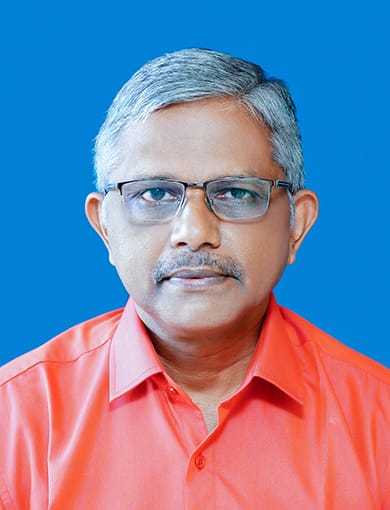
I'm

Dr. Sabu Thomas FAS, FRSB

Director, Centre of Excellence in Microbiome (CoEM)

Govt. of Kerala Thiruvananthapuram Kerala India

About

About

PROFILE

Dr. Sabu Thomas has 28 years of research experience in environmental/clinical bacteriology and molecular microbiology as Faculty Scientist and "Principal Investigator in Rajiv Gandhi" Centre for Biotechnology (RGCB) under the Dept. of Biotechnology, Govt. of India. The major research focuses are molecular biology of bacterial pathogens of gastrointestinal tract & chronic wound infections, antimicrobial resistance (AMR), biofilm and human microbiome. He has to his credit 90 research publications in national/international journals of repute,15 book chapters, edited 3 academic books (Human Microbiome, Antimicrobial Resistance, Bacterial Biofilm) published by Springer Nature and Cambridge Scholars Publishing group, UK and submitted 12 whole genome/metagenome sequences and more than 100 gene sequences to the GenBank. Research includes strategies to control bacterial infections and AMR including biofilm inhibition, probiotic development, drug repurposing and combinatorial therapy. Another major focus is on human gut microbiome for the development of probiotics to control multi drug resistant bacterial infections and gut metagenome mining for human wellbeing. He has managed many projects funded by KSCSTE, Dept. of Health & Family Welfare (Kerala State), national agencies like DBT, Coir Board, ICMR, DST-SERB and international agency- Wellcome Trust.

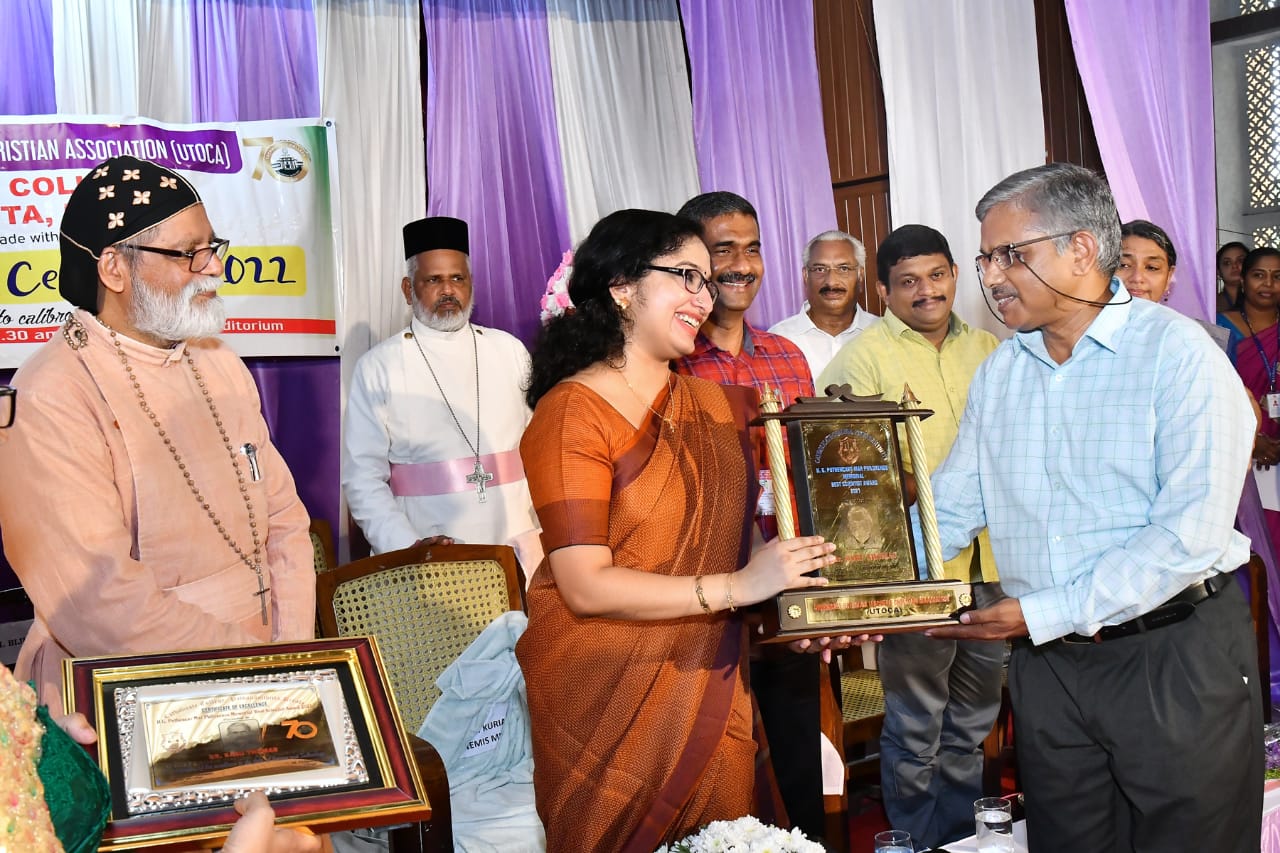
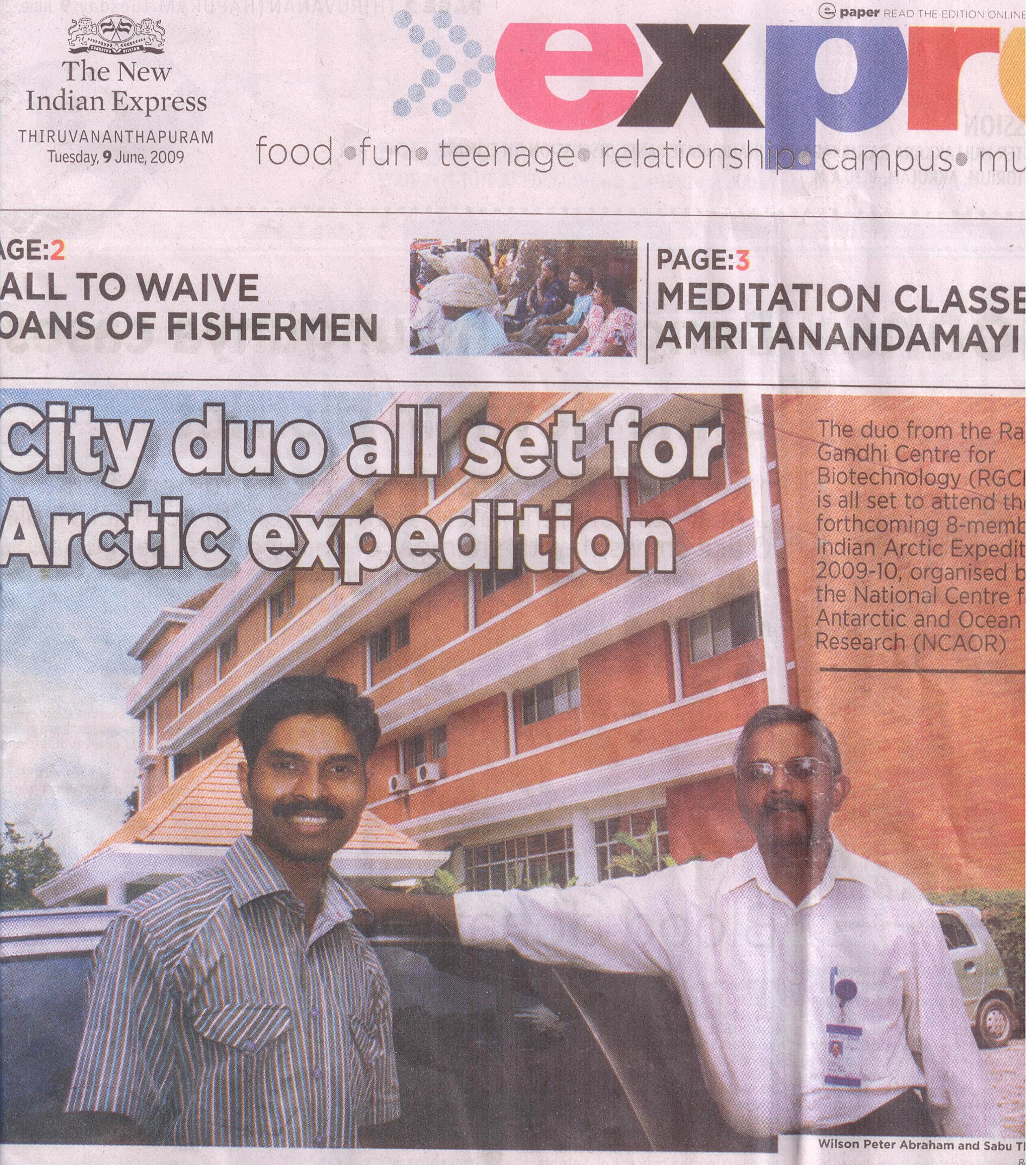
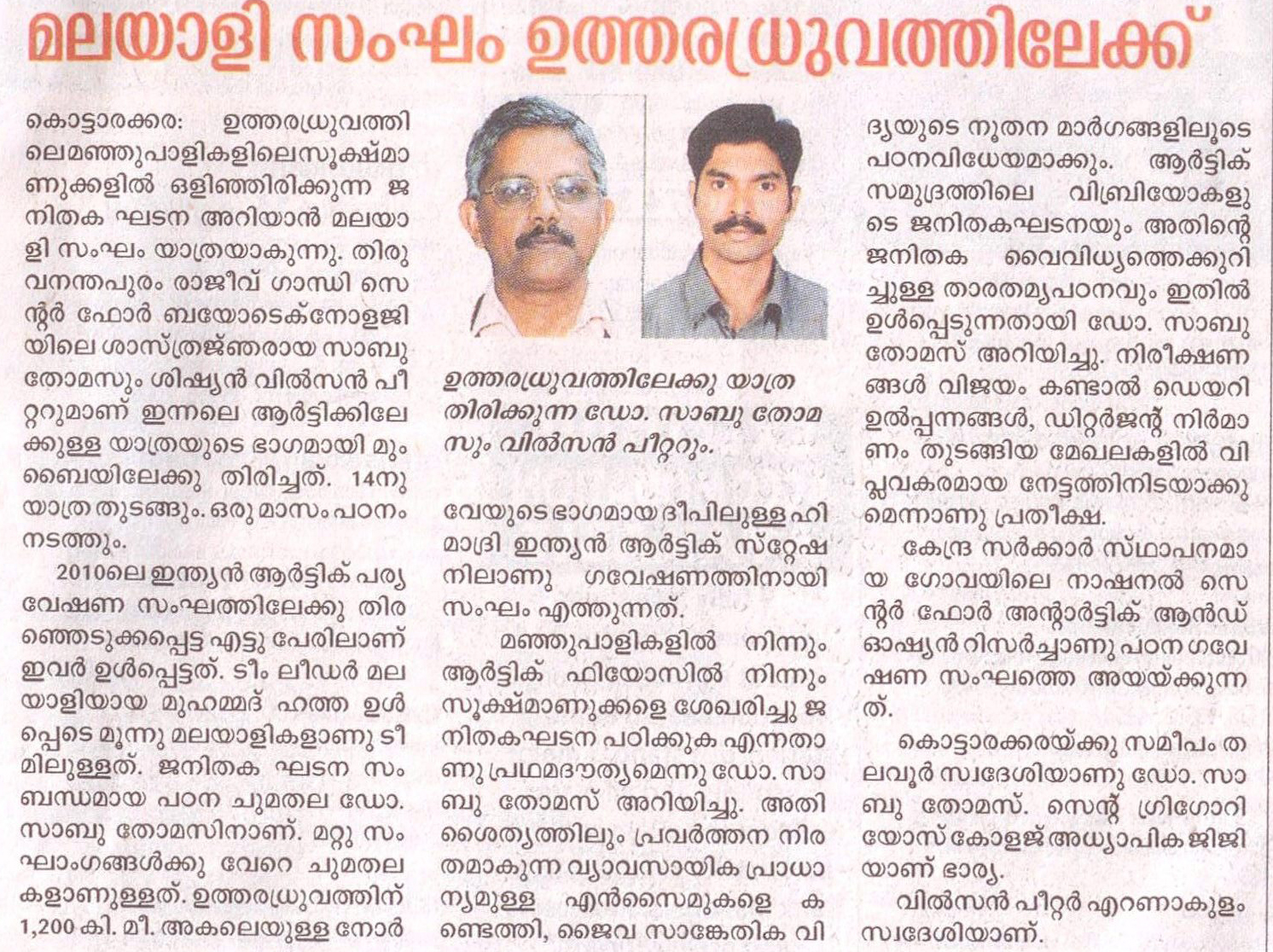
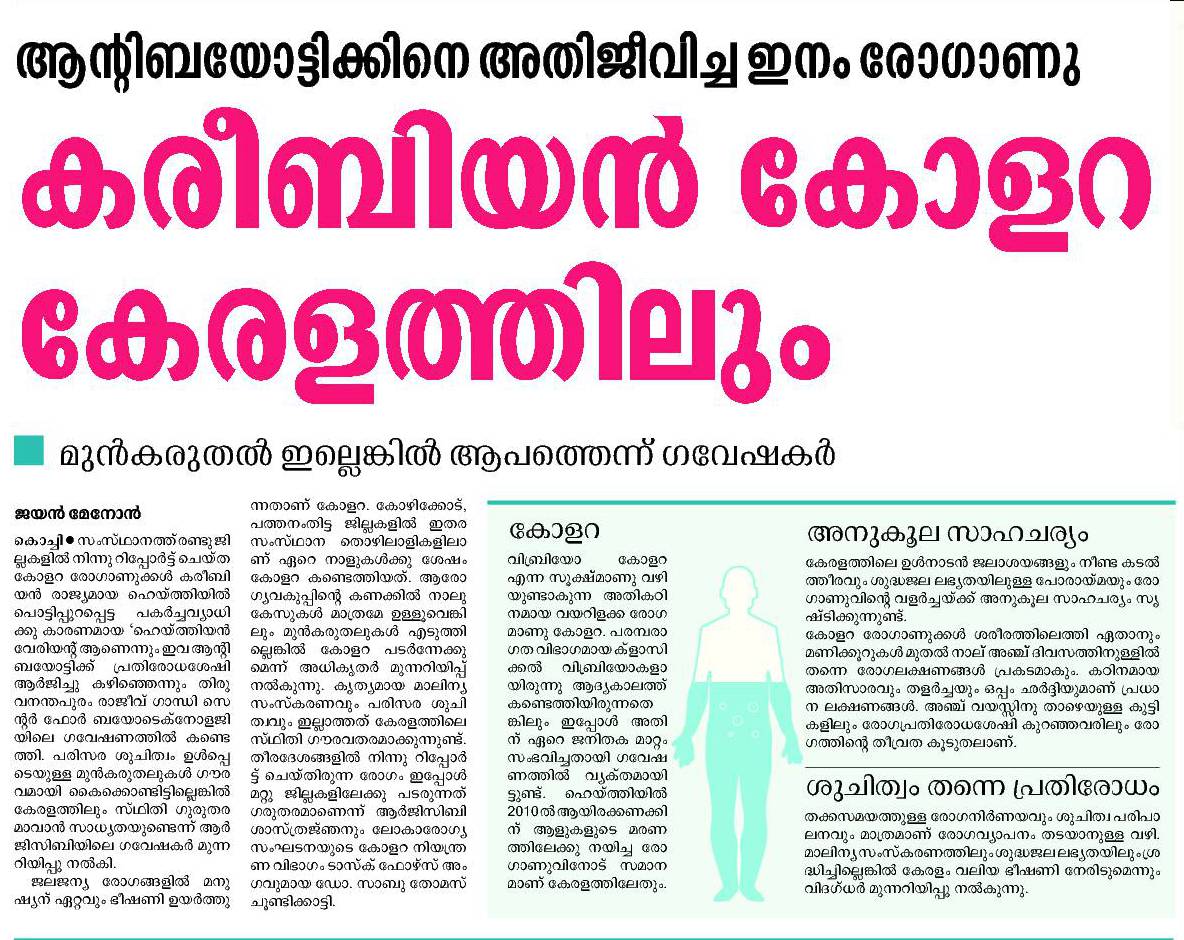
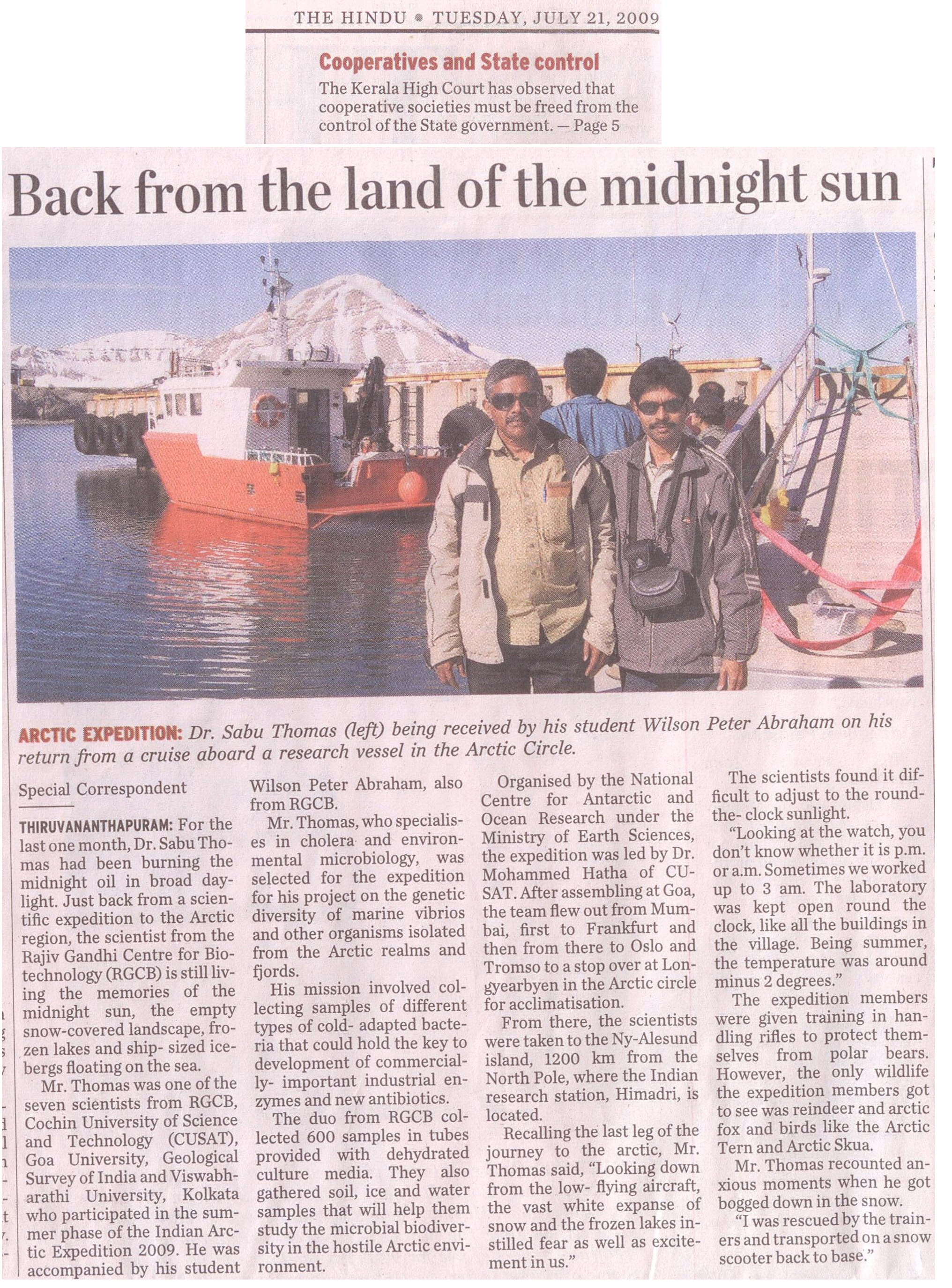
The academician is a recognized research guide in the University of Kerala & has produced 10 PhDs and also guided 4 MPhil thesis,10 MD (Microbiology) dissertations, 5 MDS dissertations and more than 100 Master’s projects in various universities. He has more than two decades of teaching experience at the post-graduate and research level. Dr.Thomas was a member in the Second Indian Arctic Expedition team to study polar microbiome and bioprospecting potential of microbes in the Arctic at 79° North and contributed substantially to the Polar Science research in India. As a member of Global Task Force of World Health Organization, he was instrumental in preparing a road map to control cholera by 2030. He has delivered many invited lectures in national/international conferences, schools, colleges and universities. 3 scientific talks in Malayalam were aired by All India Radio. He has visited several countries to participate and present the research data including prestigious meetings like Keystone Symposia, Emerging Infectious Disease etc. Currently, he is a Task Force Member in ICMR, Govt. of India and State Nodal Officer in intersectoral AMR research, Expert Member in Kerala Biotechnology Commission. He is member of several scientific committees of prestigious institutes and Subject Expert in selection committees of universities/R&D institutes. He has received the Fellow Award in Medical Biotechnology of Society for Applied Biotechnology , Fellow Award (FAS) of the Kerala Academy of Sciences & Fellow Award from Royal Society of Biology (RSB), UK . He was honored with the Best ScientistCatholicate award in 2022 instituted by UTOCA. Currently, he has been appointed as the first Director of Centre of Excellence in Microbiome (CoEM) of the Govt. of Kerala.

Quality

Education & Experience

Experience

Former Affiliation: Faculty Scientist& Principal Investigator

Pathogen Biology Division Rajiv Gandhi Centre for Biotechnology (DBT-RGCB) Govt. of India, Thiruvananthapuram

Post-Doctoral Experience

Environmental Biotechnology, RG-CDEST (KSCSTE), RGCB (DBT)

Research Experience : 28 years

as Faculty Scientist & Principal Investigator in RGCB

Major Research Field

  • Gut Microbiome and Probiotics
  • Antimicrobial Resistance (AMR)
  • Molecular Biology and Epidemiology of major Gut Pathogens
  • Bacterial Biofilm and its Clinical significance
  • Polar Science Research

Teaching Experience: 28 years

Subjects handled:

  • Microbiology
  • Bacterial Pathogenesis
  • Molecular Epidemiology
  • Antimicrobial Resistance
  • Probiotics
  • Microbiome
  • Biofilm,Environmental Biotechnology
  • Ecology
  • Bioprospecting Bacteria
  • Human Physiology

PhD supervised so far: 10
Total Research Publications: 95
Conference Presentation at National/International Meetings: 60
National/International Invited Lectures delivered: 70
Books Edited: 03
Bacterial Whole Genome & Metagenome Sequence Submissions: 12
PRIDE Archive Submissions: 4

Education

PhD Aquatic Biology

University of Kerala

MSc Zoology

Catholicate College, Pathanamthitta

BSc Zoology

S.N. College, Kollam

Pre-degree

S.N College, Punalur

School

Devi Vilasm HS, Thalavoor

Govt. UPS, Thalavoor

Awards

Assignments & Awards

Important Assignments

  • Member, State Working Committee on Antimicrobial Resistance, Govt. of Kerala
  • Intersectoral Nodal Officer for Co-ordinating AMR Research in the State.
  • Expert Member, Programme Advisory Committee of Kerala Biotechnology Commission, KSCSTE, Govt. of Kerala
  • Task Force Member, Surveillance of Foodborne Pathogens from North-East India, ICMR, Govt. of India
  • Expert Member, Technical Review Committee on Diarrhoeal Diseases, ICMR
  • Global Task Force Member on Cholera Control, World Health Organization (WHO)

Membership in International/National Scientific Organizations

  • Global Foodborne Infections Network (GFN), WHO
  • CHOLDInet -Global Laboratory Network for Cholera and other Diarrhoeal Infections
  • International Society for Infectious Diseases (ISID)
  • Asian Conference on Diarrhoeal Disease & Nutrition (ASCODD)
  • Freshwater Action Network South Asia (FANSA)
  • Swedish South Asian Network for Fermented Foods (SASNET-FF)
  • Life Member of Kerala Academy of Sciences
  • Life Member, Biotech Research Society of India
  • Life Member, Indian Meteorological Association

Doctoral Advisory Committee Member

  • SASTRA Deemed University, Thanjavur
  • Sree Chitra Tirunal Institute for Medical Sciences and Technology (SCTIMST), Trivandrum
  • Regional Centre for Biotechnology (RCB), Faridabad
  • Kerala University of Health Sciences (KUHS), Thrissur

International Seminars Organized

  • Organizing Convenor, International Conference on Regulatory Network Architecture in Bacteria, March 9-11,2012. Jointly organized by SASTRA University, Thanjavur and Rajiv Gandhi Centre for Biotechnology
  • 14th Asian Conference on Diarrhoeal Disease and Nutrition (ASCODD), 30 October - 1 November 2017, Kochi, Kerala, India. Jointly organized by icddr-b, RGCB & NICED.

Workshops Organized

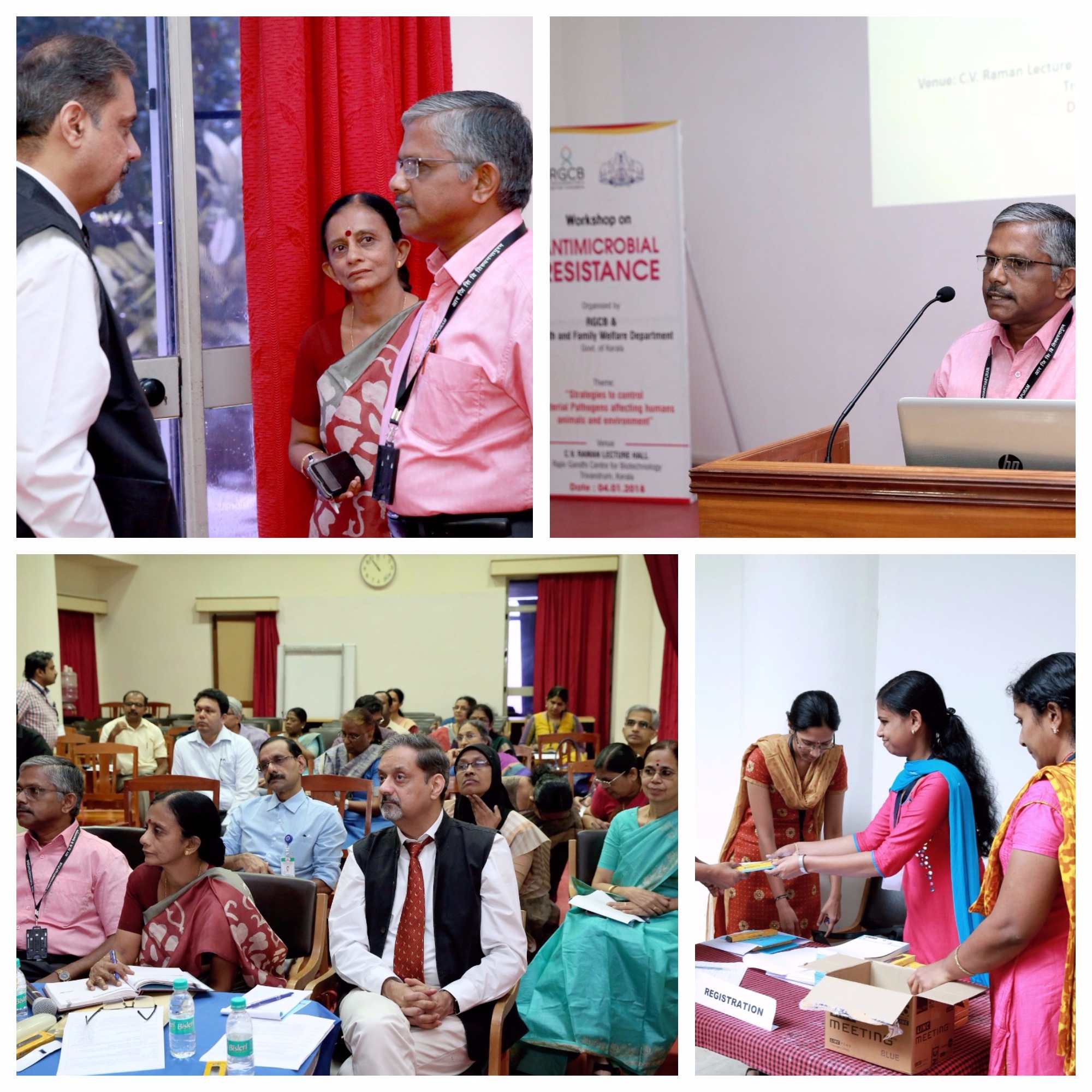
  • Workshop on Antimicrobial Resistance as part of drafting the Kerala Antimicrobial Resistance Strategic Action Plan (KARSAP), 4th January 2018. Jointly organised by RGCB &Dept. of Health and Family Welfare, Govt. of Kerala
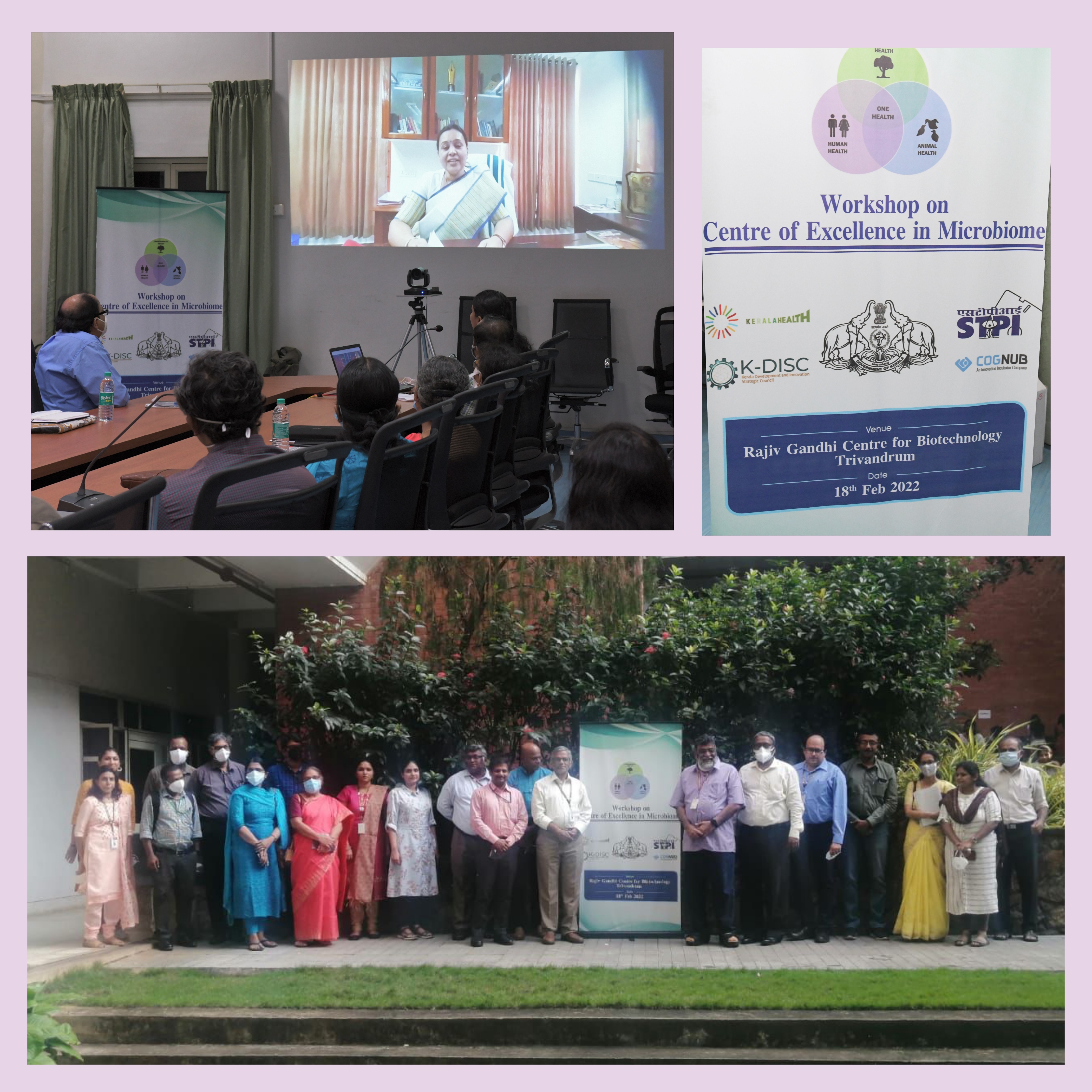
  • Workshop for developing action plan for setting up a Centre of Excellence in Microbiome in the State of Kerala, 18th February 2022.Jointly organised by K-DISC & Dept. of Health and Family Welfare, Govt. of Kerala

Awards

  • Catholicate Award for Best Scientist -2022 by UTOCA
  • Second Indian Arctic Scientific Expedition Member-2009, Govt. of India
  • Fellow Award from Royal Society of Biology (RSB), UK
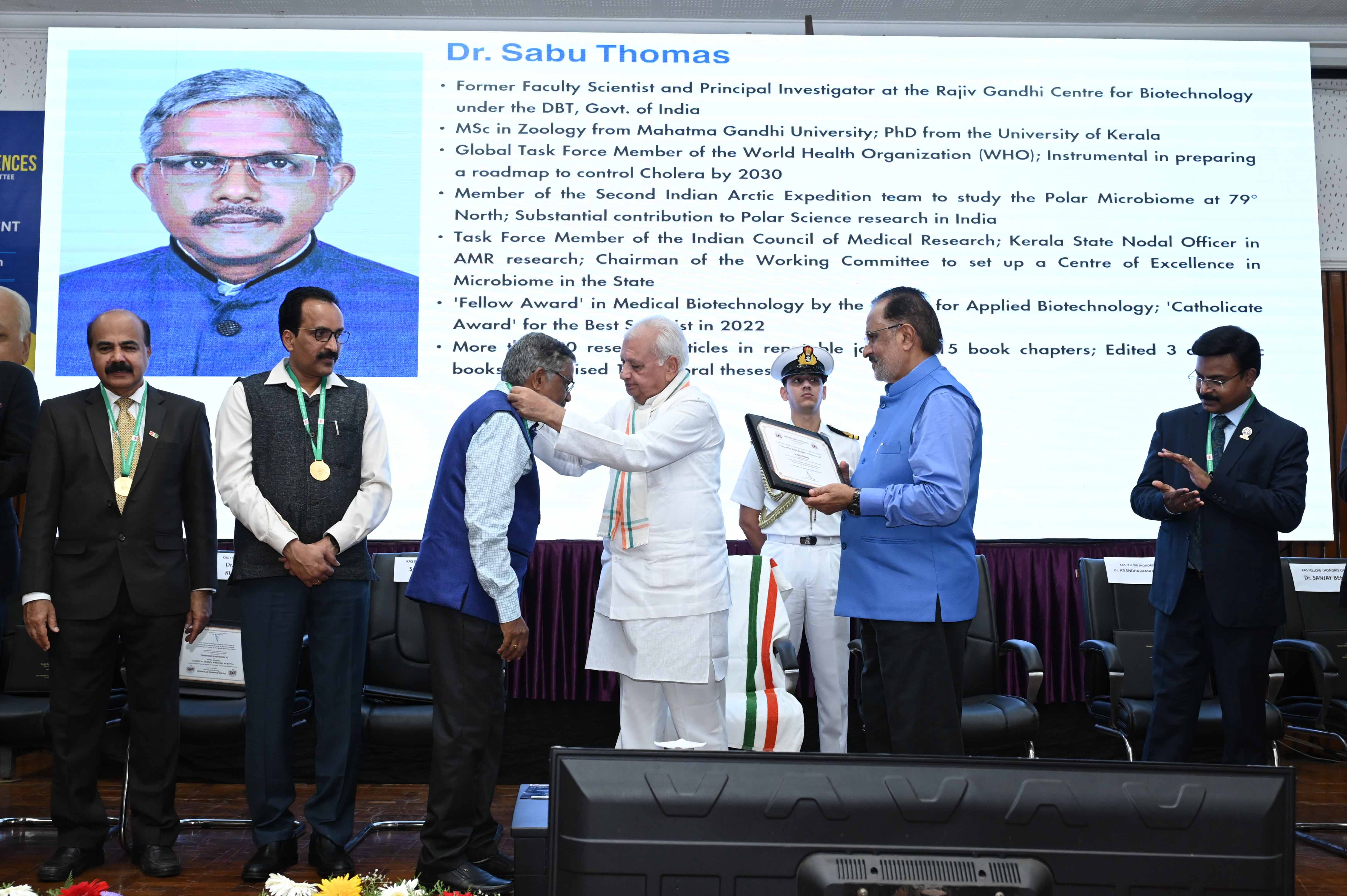
  • Fellow Award from Kerala Academy of Sciences (KAS)
  • Bill and Melinda Gates Foundation Global Health Award
  • Fellow Award in Medical Biotechnology of Society for Applied Biotechnology

Achievement

Research Achievements

  • All
  • Research Achievements
  • Selected publications
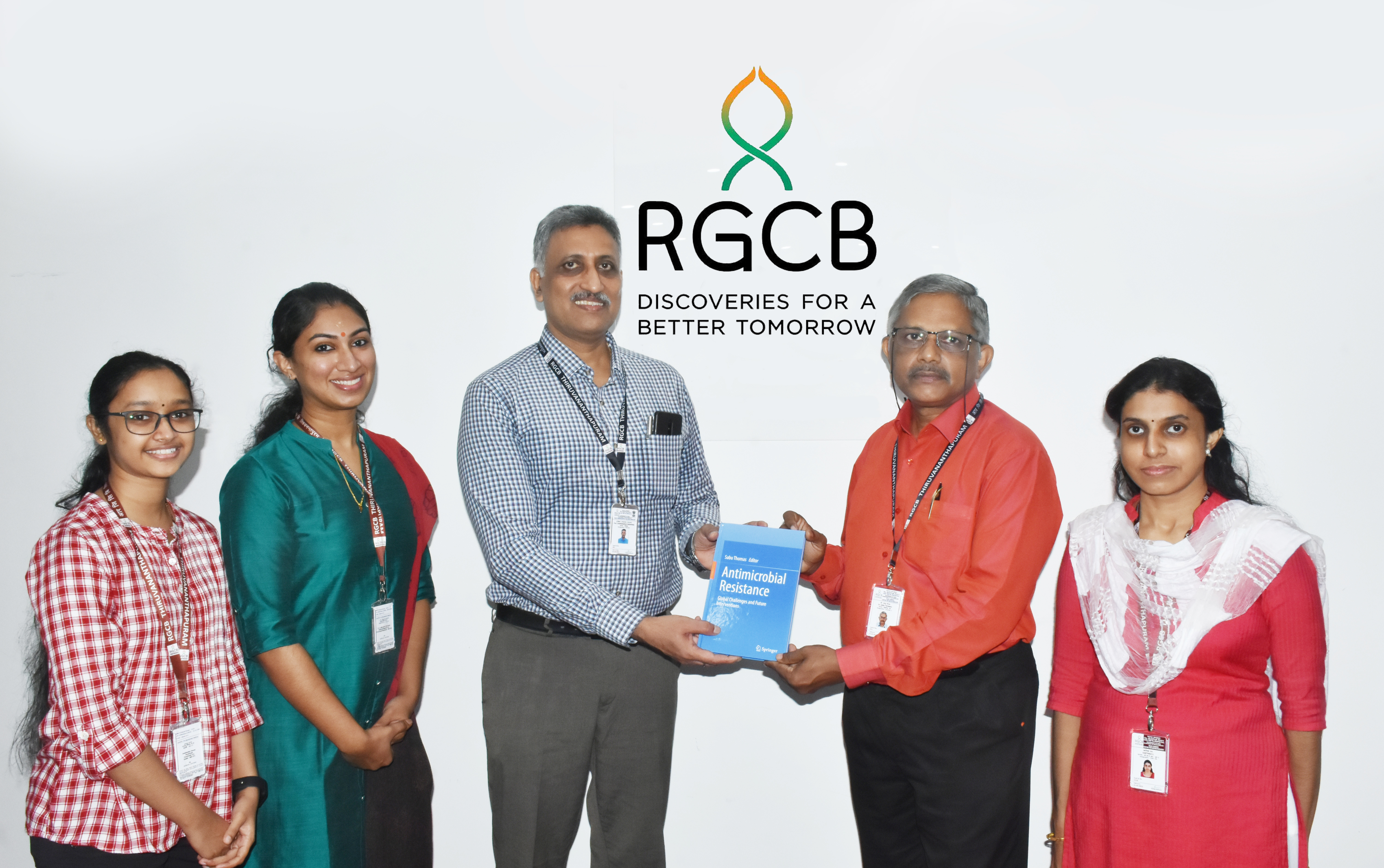
  • Books Edited

Research Achievements

Gut Microbiome and Probiotics

Dr.Thomas wasfocused on mining of human gut microbiome and development of probiotics of human origin. Interventional studies: His research team has analysed the impact of post-partum antibiotics on infant gut microbiome and mother’s breast milkby shotgun metagenomics.The study highlights considerable adverse effects of an overlooked time-point in peripartum antibiotic administration and emphasizes the need to strengthen policies regarding antibiotic prescription across the government and private health sectors. His team also analysed the role of yoga exercises in the establishment of a balanced gut microbiome.

Probiotic Development:The team has formulated probiotics of human origin against multi drug resistant pathogens like colistin resistant Klebsiella pneumoniae and MRSA. Another important study is the development of probiotic formulation of human origin producing urolithin, a multifaceted compound, as a potential nutraceutical candidate for the healthy well-being. Leveraging gut microbiome for management of diseases is a promising strategy in the disease management.

Molecularbiology and Epidemiology of major Gut Pathogens

His team has reported several research highlights on Vibrio cholera strains circulating in the country and reported the presence of Haitian variants circulating in India much before the Haitian outbreak in 2009. Presence of qnrVC3 gene cassette in class 1 integrons and SXT of Vibrio cholera was also detected. Distribution of SXT and its association with multiple drug resistance was detected in environmental isolates of Vibrio cholera. The team has explored the genetic and virulence profiling of environmental V.parahemolyticus and analyzed pandemic marker genes. Based on his vast experience in cholera research program he has served as an Expert Member in the Global Task Force on Cholera Control (GTFCC) of the World Health Organization (WHO).

Antimicrobial Resistance

Antimicrobial resistance among bacterial pathogens is another major concern to the clinicians and scientists. The major findings are as follows- reported Minimum Inhibitory Concentration (MIC) ‘creep’ of doxycycline, a commonly used antibiotic to treat cholera, reported for the first time in the country. His team illustrates for the first time a possible mechanism of doxycycline-selected resistance in V. cholerae as well as doxycycline-selected co-resistance, warranting strict restrictions on the indiscriminate use of antibiotics. The team is also focusing on developing antibiotic phytochemical combinations to resensitize the drug resistant pathogens towards the existing antibiotics.

Dr. Thomas’s team has reported for the first time, a MDR K. pneumoniae with high colistin resistance belonging to ST78 causing infection in a human. The team also developed a novel phytochemical antibiotic combination against extensively drug resistant Klebsiella pneumoniae and MRSA and reported several potential biofilm inhibitors against top priority pathogens.

Alternative strategies including development of anti-infectious probiotics, and compounds targeting biofilm inhibition and virulence factors were explored.

Bacterial Biofilm and Clinical significance

Another major focus was to identify biofilm inhibiting targets and antibiofilm agents against pathogens associated with non-healing chronic wound infections. The team has reported the bacterial diversity of chronic diabetic ulcer by metagenomic approach and studied the polymicrobial biofilm infections. Genomic and proteomic approach identified potential biofilm inhibiting targets in Enterococcus faecalis, a major wound pathogen. The team has identified a conserved biofilm stage specific gene cluster involved in polysaccharide biosynthesis common to V.cholerae and V. parahemolyticus. The identified drug target could be used for accelerating the discovery of broad-spectrum anti-biofilm agents to combat Vibrio related illness. The team has come up with several potential biofilm inhibiting molecules against top priority pathogens.

Polar Science Research

He was part of the Second Indian Arctic Scientific Expedition Team, organized by the Govt. of India to study the polar microbiome and bio-prospecting potential of psychrophilic bacteria isolatedfrom the Arctic at 79° North. 34% of MDR bacterial isolates were reported for the first time from the pristine Arctic environment.The cold adaptive mechanisms in Pseudomonas psychrophila MTCC12324, a model organism isolated from the Arctic was also reported by analysing the proteome and whole genome sequencing data.

Genomics and multi-omic approach to control bacterial infections

Adaptive laboratory evolution and comparative genomics proposed possible mechanisms of acquired resistance in Vibrio cholerae for doxycyline. The integrated genome, proteome and transcriptome analysis of V. parahaemolyticus iidentified a conserved biofilm stage specific gene cluster involved in polysaccharide biosynthesis common to V.cholerae and V. parahemolyticus. Comparative genome analysis of biofilm forming and non-biofilm forming strains of E.faecalis, and environmental and clinical strains of Vibrio Parahemolyticus, throw light on the pathogenicity potential and drug targets. Genome analysis of potential probiotic isolates was performed to screen the presence of bioactives and to rule out the presence of drug resistant and virulence genes. Cold adaptation mechanisms of psychrophilic bacterial strain were deciphered by genomic and proteomic approaches.

Microbiome profiling of chronic diabetic ulcer was performed by metagenomic approach to decipher the polymicrobial communities. Infant gut microbiome and breast milk microbiome were studied to interpret the effect of antibiotics and the results emphasized the regulation of antibiotic use during postpartum period.
Selected publications

  1. Devika Das J, Vishnu SJ, Karthika Suryaletha, Merin Paul, Aparna Shankar, Swapna R Nath, Sabu Thomas. 2025. Probiotic Lacticaseibacillus paracasei from human gut microbiome against colistin-resistant Klebsiella pneumoniae: in vitro, in vivo and probiogenomic approaches. Beneficial Microbes. 9:1-21. doi: 10.1163/18762891-bja00065.
  2. Singh SK, Sudhir S, Menon V, Warrier AR, V AR, Edathadathil F, Sathyapalan DT, Sivaprasad PS , Thomas S (2025) Epidemiology and clinical outcomes of monomicrobial carbapenem-resistant Enterobacteriaceae (CRE) from a metropolitan area of Kerala, India. J Infect Dev Ctries 19:569–575. doi: 10.3855/jidc.18777
  3. Vaikkathillam P, Sajeevan A, Mohan S, Solomon AP, Rajan PP, S M, Kumar P, Sabu Thomas. 2025. Genomic analysis of colistin and carbapenem resistant Klebsiella pneumoniae GC29. Microb Pathog. 199:107220. doi: 10.1016/j.micpath.2024.107220.
  4. Paul M, Sabu Thomas. 2025. Detection of morphological variants of colistin-resistant Klebsiella pneumoniae associated with sepsis in Kerala, India. Acta Microbiol Immunol Hung. 72(1):39-42. doi: 10.1556/030.2025.02515.
  5. Aparna S, Devika DJ, Nayar S, Thomas S. 2023. Deciphering the effect of maternal postpartum antibiotic prophylaxis on the infant gut microbiome: a whole metagenomic analysis. Future Microbiology. 18:427-441.
  6. Betsy M, Karthika S, Amrutha ML, Alida S, Sabu Thomas, Jatish Kumar.2022. Chiral Nanostructures Derived from Europium (III) Complexes for Enhanced Circularly Polarized Luminescence and Antibacterial Activity. Journal of Materials Chemistry C. 10, 13954-13963.
  7. Karthika S, Sivakumar &Sabu Thomas. 2021. Comprehensive Genomics Depict Accessory Genes Encoding Pathogenicity and Biofilm Determinants in Enterococcus faecalis. Future Microbiology. 16:3.
  8. Divya MP, Hardip R. Patel, Sivakumar Krishnankutty Chandrika, Sabu Thomas. 2021. Genomic attributes differ between Vibrio parahaemolyticus environmental and clinical isolates including pathotypes. Environmental Microbiology Reports.14(3):365-375.
  9. Lekshmi N, Sivakumar KC and Sabu Thomas,2020. Adaptive laboratory evolution of Vibrio cholerae to doxycycline associated with spontaneous mutation, International Journal of Antimicrobial Agents, 56(2020).
  10. Devika DJ, Shankar A, Johnson JB, Thomas S. 2020. Critical insights into antibiotic resistance transferability in probiotic Lactobacillus. Nutrition. 69:110567.
  11. Lekshmi N, Vishnu S. J, Sivakumar K. C, Sabu Thomas, 2020. Epidemiological and pathogenic characteristics of Haitian variant V. cholerae circulating in India over a decade (2000–2018), Microbial Pathogenesis, 149 (2020)
  12. Divya M.P., Ramamurthy, T. &Sabu Thomas. 2020. Genetic and virulence characterisation of Vibrio parahaemolyticus isolated from Indian coast. BMC Microbiology 20, 62.
  13. Wilson PA, Sajith R, Vipin G, Karthika S, Sabu Thomas. 2020. Deciphering the Cold Adaptive Mechanisms in Pseudomonas psychrophila MTCC12324 isolated from the Arctic at 79° N. Current Microbiology. 77, 2345–2355.
  14. Aparna Shankar, Devika J, Megha P.R, Merin Paul, Lekshmi N, Karthika S, Akhila VS, Sabu Thomas. 2020. Elucidation of health risks using metataxonomic and antibiotic resistance profiles of microbes in flood affected waterbodies, Kerala 2018. J Flood Risk Management. 2020;e12673.
  15. Karthika S, Lekshmi N, Joby John, Megha PR, Sanil George &Sabu Thomas. 2019. Decoding the proteomic changes involved in the biofilm formation of Enterococcus faecalis SK460 to elucidate potential biofilm determinants. BMC Microbiology. 19:146.
  16. Lekshmi N, Mary T Sivakumar KC and Sabu Thomas,2019. Tryptanthrin,a potential biofilm inhibitor against toxigenic Vibrio cholerae, modulating the global quorum sensing regulator,LuxO, Biofouling,35(10):1093-1103.
  17. Merin.P, Lekshmi.N, Vasanthakumary A. R, Iype Joseph, Sabu Thomas.2019. Genome sequence of a multidrug-resistant Klebsiella pneumoniae ST78 with high colistin resistance isolated from a patient in India. Journal of Global Antimicrobial Resistance, 17: 187-188.
  18. Karthika S, Joby John, Megha PR, S.George & Sabu Thomas. 2018. Metataxonomic approach to decipher the polymicrobial burden in diabetic foot ulcer and its biofilm mode of infection. International Wound Journal. 15:473–481.
  19. Jose D, Lekshmi N, Goel AK, Kumar RA, Thomas S. 2017. Development of a Novel Herbal Formulation to Inhibit Biofilm Formation in Toxigenic Vibrio cholerae. J Food Prot. 80(11):1933-1940.
  20. Dharmaprakash Akhilandeswarre, Mutt Eshita, Jaleel Abdul, Ramanathan Sowdhamini and Sabu Thomas.2014. Proteome profile of pandemic Vibrio parahaemolyticus SC192 strain during planktonic and biofilm condition. Biofouling: The Journal of Bioadhesion and Biofilm Research. 30(6),729-739.
  21. Augustine N, Goel AK, Sivakumar KC, Kumar RA, Thomas S. 2014. Resveratrol--a potential inhibitor of biofilm formation in Vibrio cholerae. Phytomedicine. 21(3):286-9.
  22. Praveen Kumar and Sabu Thomas, 2011. Presence of qnrVC3 gene cassette in SXT and class1 integrons of Vibrio cholerae,International Journal of Antimicrobial Agents,37(3):280-1.
  23. Nimmy Augustine, Praveen Kumar and Sabu Thomas. 2010. Inhibition of Vibrio cholerae biofilm by AiiA enzyme produced from Bacillus spp. Archives of Microbiology. 192 (12): 1019-1022.
  24. Praveen Kumar and Sabu Thomas. 2009. Presence of dfr6 gene cassette in superintegron of non-O1/non-O139 strain ofVibrio cholerae . Antimicrob Agents Chemother. 53:4959–4960.

Books Edited

Gallery

Gallery

© Domain Name. All Rights Reserved. Designed by Agileinfo Techytern Solutions LLP